Understanding the Wildland-Urban Interface (WUI)
4-page brochure · print dialog: Letter, Margins “None”, Background graphics ON
Field Education
Series № 01
A Homeowner's Field Guide · Wildfire Preparedness
Understanding the
Wildland-Urban Interface
One in three American homes now sits where community meets wildland, the zone known as the wildland-urban interface (WUI). This guide explains what the interface actually is, how structures ignite within it, and the zone-by-zone standard that measurably changes the outcome, in four pages.
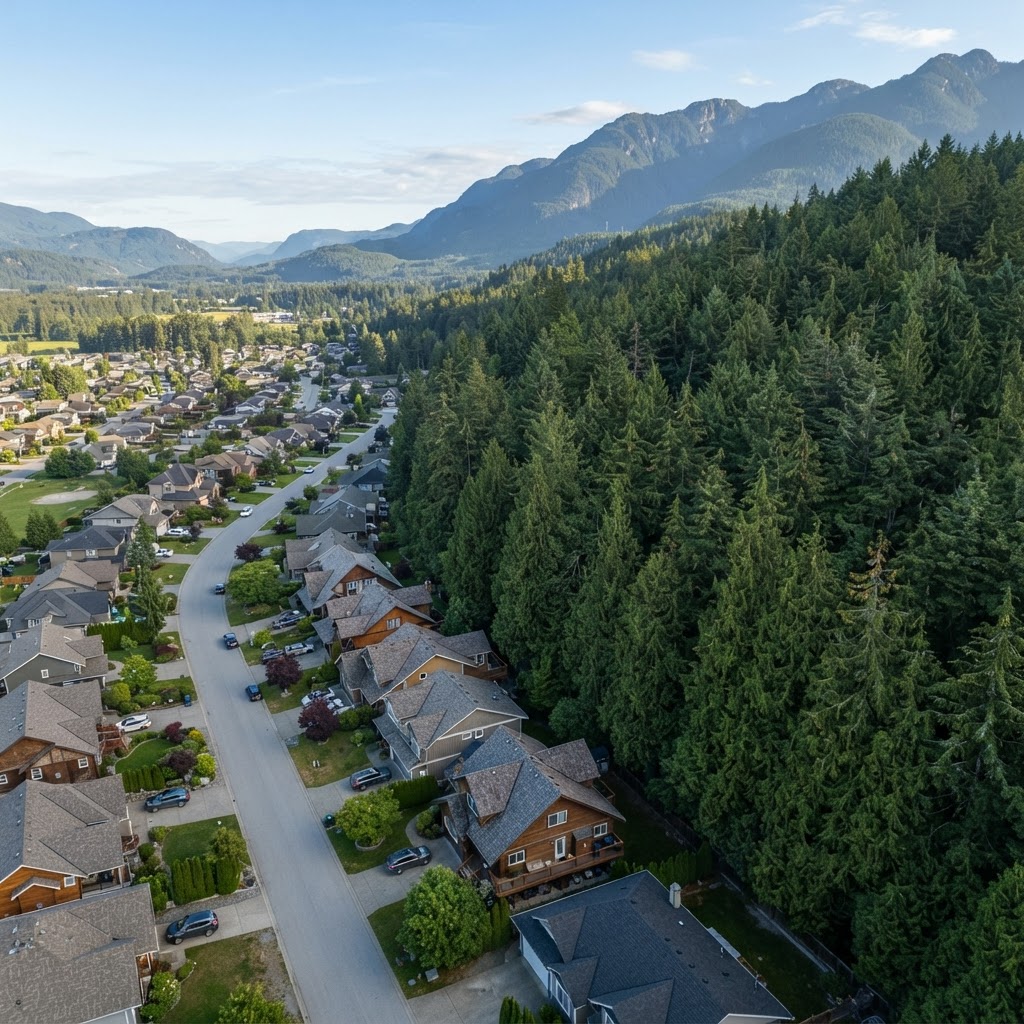
Fig. 1The wildland-urban interface isn't remote. It's the last street of any town that touches vegetation, and it's the fastest-growing land-use type in the United States.
≈90%
of destroyed homes ignite from embers or surface fire, not the flame front itself
15+ mi
the distance wind-driven embers have been documented traveling ahead of an extreme wildfire
60%+
of WUI ignition risk sits in the first five feet around the structure
IBHS and NIST post-fire investigations; NFPA Firewise USA home-ignition-zone research.
01
The interface
02
Defensible space
03
The structure
04
Putting it to work
PREPARE. PROTECT. PRODIGY.
01 / 04
Part 01 · The Interface
Understanding the WUI · Field Education № 01
Where community meets wildland
The interface is a condition,
not a place on a map.
You're in the WUI if fire in nearby vegetation can reach your home by flame, radiant heat, or wind-carried embers. That includes classic forest-edge properties, and it includes suburban streets with continuous fences, hedges and mulch beds connecting house to house.
The decisive mechanism is rarely a wall of flame. Wind lofts burning fragments miles ahead of a fire, and they collect exactly where homes are receptive: gutters, vents, decks and foundation plantings. Most losses begin quietly, at one of five predictable points, which means most losses are preventable at those same five points.
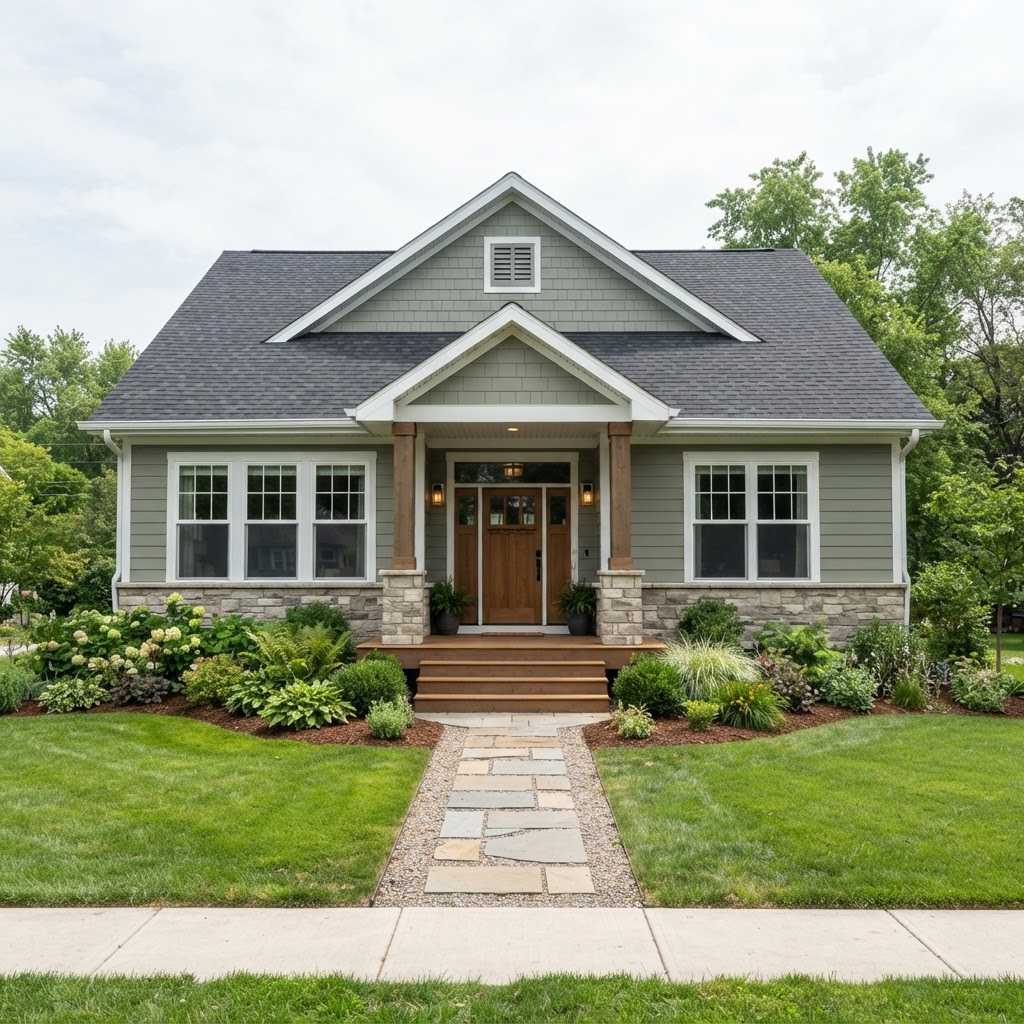
Fig. 2The five points where post-fire investigations most often place the first ignition: all reachable by embers, all controllable by the homeowner.
Gutters & roof debris. Dry needle litter is the single most common first-ignition point found after WUI fires.
Attic & gable vents. Unscreened intakes pull embers straight into the structure; ember-resistant rated mesh closes them.
Glazing. Radiant heat fails single-pane windows long before flame contact; tempered dual-pane resists.
Decks & porches. Open undersides collect embers and stored fuels; screen or enclose the cavity.
Foundation plantings & mulch. Bark mulch against the wall is an ignition wick; the first five feet decide most outcomes.
The record · recent U.S. interface losses
Camp Fire 2018
Paradise, California
18,800+ structures lost; the town of Paradise destroyed in a single morning.
Marshall Fire 2021
Boulder County, CO
1,084 homes lost in suburban grassland; no forest involved.
Lahaina Fire 2023
Maui, Hawaii
2,200+ structures; wind-driven embers overran an entire coastal town.
Palisades & Eaton 2025
Los Angeles, CA
16,000+ structures across two interface fires; the costliest wildfire event in U.S. history.
Public post-incident reporting: CAL FIRE; Boulder County; Maui County; U.S. Fire Administration.
PREPARE. PROTECT. PRODIGY.
02 / 04
Part 02 · Defensible Space
Understanding the WUI · Field Education № 01
The home ignition zone
Work outward from the walls,
zone by zone, by the numbers.
Three variables decide whether vegetation threatens a structure: what it is, where it sits, and what condition it's in. Placement beats species; condition beats both. The zone model turns those variables into a measurable standard, applied outward from the structure:
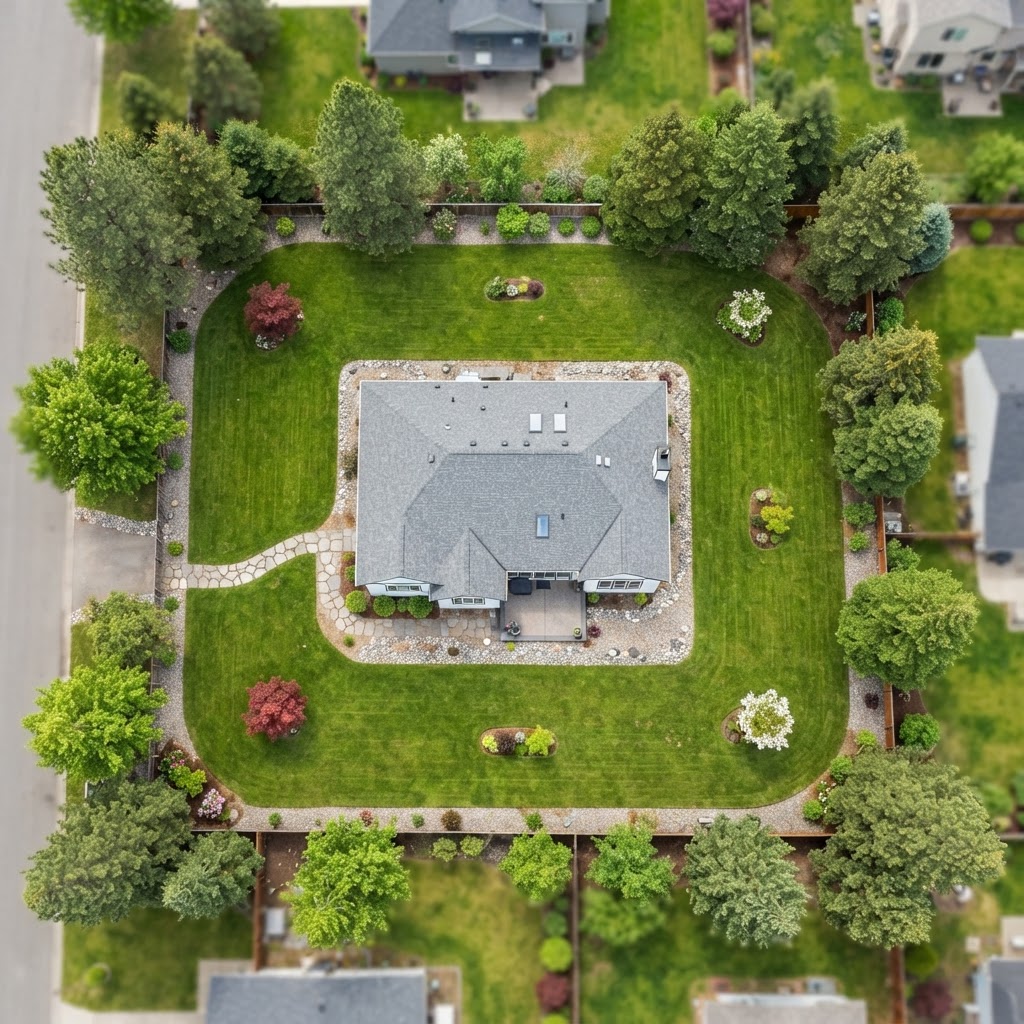
Fig. 3The home ignition zone, surveyed from above. Each boundary fully encloses the structure; distances are measured horizontally outward from its outermost point, including attached decks and fences.
Zone 0
0 – 5 ft
Noncombustible. No exceptions.
Gravel or stone, never bark mulch. No plants against walls, no firewood, no stored combustibles, no fabric doormats. Gutters clean, vents screened. This strip is where the embers in Fig. 2 land, and it carries the majority of total ignition risk.
Zone 1
5 – 30 ft
Lean, clean and green.
Low, irrigated plantings in separated islands, never continuous hedges. Grass mowed under four inches; 10 ft between shrub groups; dead material removed aggressively. Decks, fences and outbuildings connected to the house count as the house.
Zone 2
30 – 100 ft
Reduce and separate. Don't clear-cut.
Thin so tree crowns sit 10 ft+ apart; limb conifers up 6–10 ft; remove the ladder fuels that carry ground fire into the canopy. Healthy, spaced trees stay; the goal is fire that remains on the ground, where it's survivable.
Non-negotiables · every season
Nothing combustible in the first five feet. Ever.
Gutters, roof valleys and under-deck areas cleaned every season.
Dead and dying material comes out every season.
Emergency access clear: crews must be able to reach and work the property.
PREPARE. PROTECT. PRODIGY.
03 / 04
Part 03 · The Structure
Understanding the WUI · Field Education № 01
Hardening the envelope
The structure is part of the fuel,
harden every entry point.
Defensible space controls what burns around the house; hardening controls whether the house itself can catch. Post-fire research finds structures with both survive at dramatically higher rates than structures with either alone, and hardening is mostly details, not renovations.
1
Gutters · metal guards + seasonal cleanout
The most common first-ignition point in post-fire studies; guards plus one cleanout per season close it.
2
Vents · ember-resistant rated mesh
Screen every intake and gable with mesh meeting current WUI ember-resistance standards. If a business card slides through, so does a burning ember.
3
Roof · Class A covering, clean field
Metal, asphalt or tile rated Class A; valleys kept free of debris; degraded flashing renewed; open tile ends capped.
4
Decks · deny the underside
Screen or enclose below-deck cavities; store nothing beneath; noncombustible surface where deck meets wall.
5
Walls & base · 6 in ground clearance
Six inches of noncombustible clearance at grade; fiber-cement, metal or masonry where siding meets soil.
6
Glazing · tempered dual-pane + screens
Radiant heat breaks single glazing long before flame arrives; metal insect screens add ember protection.
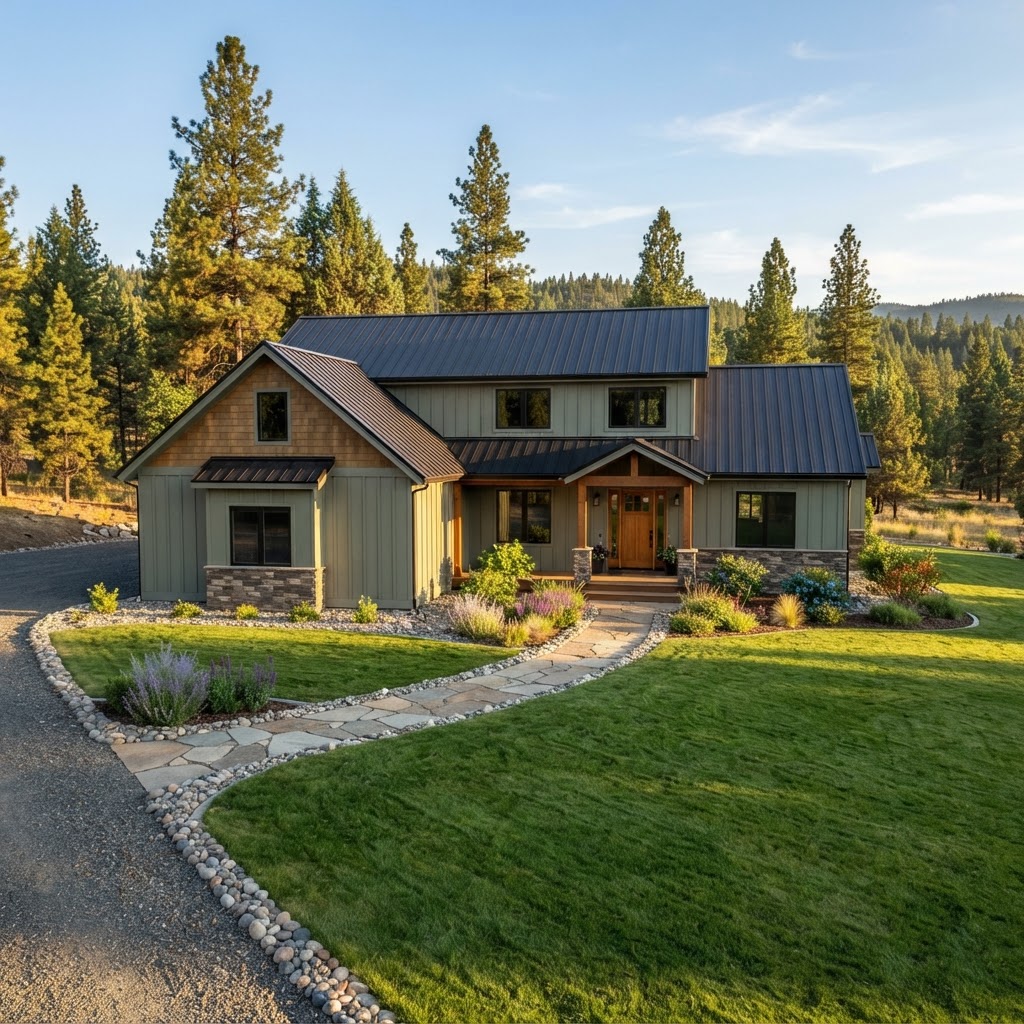
Fig. 4The standard, applied to the whole property: a hardened envelope, a noncombustible strip at the walls, irrigated island plantings to thirty feet, and spaced, limbed trees beyond. Wildfire readiness and a beautiful garden coexist by design.
Part 04 · Putting it to work · start with a professional assessment
Knowing what to look for is a trained discipline, and the highest-risk items are rarely the most obvious ones. Prodigy can assess your property's wildfire readiness against current WUI standards, walk the home ignition zone with you, and connect you with qualified home-hardening professionals, so the work that matters most gets done first.
Want a professional read on your property?
Prodigy offers free wildfire risk consultations · www.prodigywildfire.com · contact@prodigywildfire.com
Scan to request your free assessment

prodigywildfire.com/wui
References: Western Fire Chiefs Association, "What Is the WUI?" (wfca.com) · NFPA Firewise USA · Insurance Institute for Business & Home Safety (IBHS), Wildfire Prepared Home · NIST WUI fire research · CAL FIRE defensible-space guidance (PRC 4291).
Educational guidance only. Always follow your local fire authority and jurisdictional WUI code requirements.
PREPARE. PROTECT. PRODIGY.
04 / 04